
Tracking Your Screen Time: Why It Matters
Most people don’t realize how many hours they’re actually on their phones. We sh…
Read MoreReading, walking, sketching, cooking — activities that don’t need a screen. We’ve compiled a realistic list of things people actually enjoy doing.

When you’re trying to spend less time on your phone, the hardest part isn’t deciding to put it down — it’s figuring out what to do instead. Your brain’s been trained to reach for that dopamine hit. A scroll here, a notification there. It’s comfortable. It’s instant.
But here’s the thing: there are activities that feel just as rewarding, maybe even more so. They don’t compete with your attention in the same way. You’re not comparing yourself to others. You’re not fighting algorithms designed to keep you hooked. You’re just… doing something. And that matters.
We’ve spent months talking to people about what actually works for them. Not aspirational stuff — not “I’m going to meditate for an hour daily” — but real, honest activities that fit into actual life. Things you’ll genuinely want to do instead of scrolling.
These aren’t hobbies that take months to start. They’re things you can begin today.
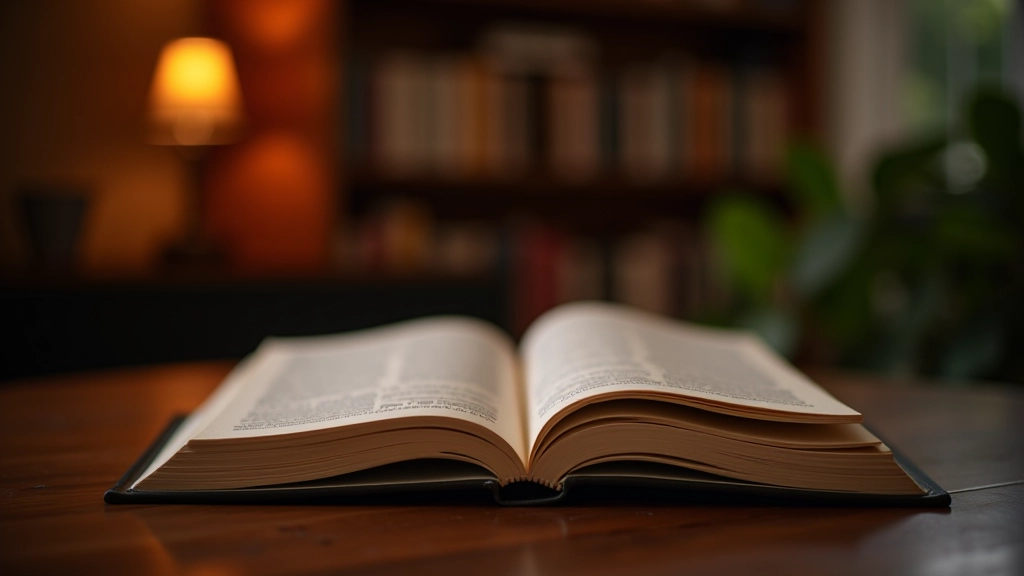
Physical books work differently than screens. There’s no algorithm deciding what’s next — you choose. No notifications interrupting every two minutes. Most people we spoke with found they could focus for 20-30 minutes before the urge to check their phone kicked in. That’s fine. Start there.
Audiobooks count too, especially if you’re walking or cooking. Podcasts are trickier because they’re designed to keep going and can become another endless scroll substitute. But the right book — fiction, history, memoir — creates a different mental state than social media. Your brain actually relaxes.

This one’s obvious but worth saying: walking changes your brain. Twenty minutes outside and you’re thinking differently. You’re not doom-scrolling. You’re noticing things. A tree. A person. The weather. Your own thoughts.
The trick is to actually go alone sometimes. Not with podcasts blasting. Not while checking your phone every thirty seconds. Just walking. It feels weird at first, honestly. Your brain will want stimulation. But after about five walks, something shifts. You’ll start looking forward to it.
You don’t need to be good at this. Honestly, the worse your drawings are, the better this works as a phone replacement. No comparison. No judgment. Just you and paper and whatever comes out.
Drawing slows you down. It forces attention. You can’t multitask while drawing the way you scroll and watch TV. Your hands are busy. Your eyes are busy. For 20-40 minutes, you’re fully engaged with one thing. People report this feels meditative, not because it’s boring, but because it’s the opposite — it’s completely absorbing.

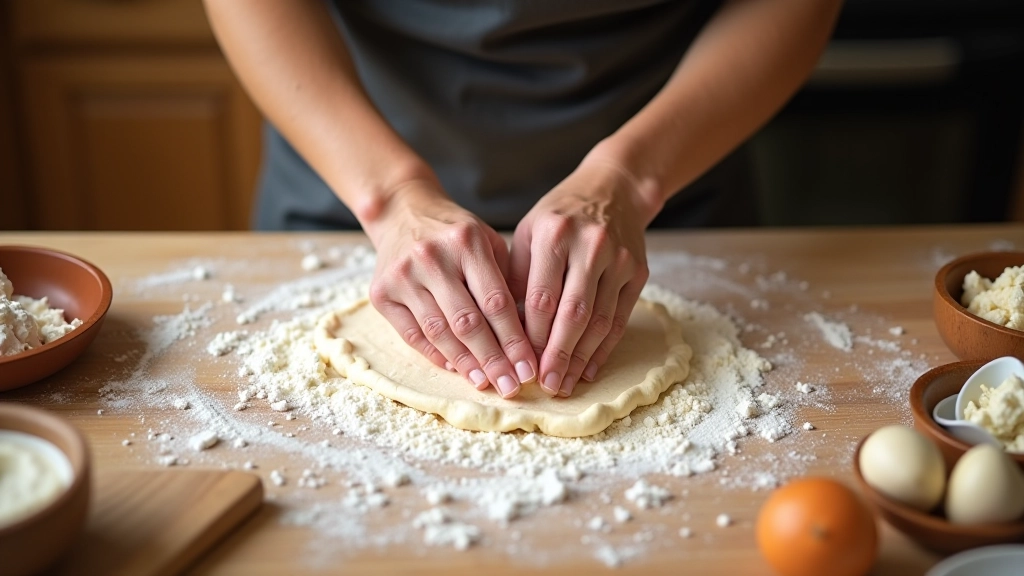
There’s a reason cooking became popular during lockdowns. It requires presence. You can’t scroll while chopping. You can’t doom-doom-scroll while a cake’s in the oven. You’re waiting. You’re checking. You’re tasting. You’re thinking about what’s actually happening right in front of you.
Start with simple things. A grilled cheese. Scrambled eggs. Pasta with good sauce. Not Instagram recipes with twelve steps. Things you can do in 20-30 minutes and actually eat afterward. The reward is built-in.
Beyond the main five. These take different amounts of time and commitment, but they all have one thing in common: they interrupt the scroll pattern.
Five minutes of writing. Morning pages. Gratitude lists. Doesn’t matter what format. The act of writing by hand is different from typing. Slower. More deliberate.
15-20 minutes on a mat. You’re aware of your body. You can’t check your phone mid-downward dog. Simple poses, YouTube if you need guidance, then phone away.
Knitting. Embroidery. Woodworking. Pottery. The barrier to entry is the cost and learning curve. But once you start, you can’t look at your phone while your hands are busy.
Even a single plant on a windowsill. Watering it. Checking for growth. Repotting when needed. Seasonal. Grounding. Real results you can see.
Learning an instrument. Doesn’t matter which one. Your hands are occupied. Your mind is focused. Progress is real and measurable week to week.
Jigsaw puzzles. Crosswords. Sudoku. Satisfying. Finite. You can see progress. Easier to start than hobbies that require equipment.
Knowing what to do and actually doing it are different things. Here’s what works in practice.
Not three. Not a whole plan. One thing. Something you have zero resistance to starting. If it’s reading, great. If it’s walking, even better.
If you read, keep a book on your bedside table. If you walk, leave walking shoes by the door. Remove friction. Make the screen the harder choice.
Fifteen minutes. Twenty minutes. Something achievable. Not “an hour every day.” You’re building a habit, not training for a marathon.
A checkmark on a calendar. A note in your phone. Something that shows you’re actually doing this. Not obsessive tracking — just proof that it’s becoming routine.
Not before. You need the first one to feel automatic. Then you can add another without overcomplicating things.
You’re not replacing scrolling with punishment. You’re replacing it with things that actually feel good. That’s the difference between a diet you quit and a diet you keep. One feels like restriction. The other feels like choice.
Most people notice changes within a week. You’ll sleep a bit better. You’ll feel slightly less anxious in the morning. You won’t feel like something’s missing. The urge to check your phone will be there — it always is — but it’ll be quieter.
Start today. Pick one. Do it for fifteen minutes. Then tomorrow, do it again. That’s it. That’s how this works.
This article is for educational purposes and represents general observations about analogue activities and screen time reduction. Individual results vary significantly. If you’re experiencing severe anxiety, sleep disorders, or addiction-like symptoms related to screen use, consult a healthcare professional or psychologist. The activities described are suggestions based on user feedback — not prescriptions or guarantees of outcome.