

Device-Free Meals and Bedtime Routines
Creating phone-free windows isn’t punishment — it’s how you protect your best moments and improve sleep quality naturally.
Most people don’t realize how many hours they’re actually on their phones. We show you how to measure it accurately and what those numbers really mean.

Here’s the thing — you probably underestimate your daily screen time. Way underestimate. Most people think they’re on their phones for 3-4 hours. When they actually check, it’s closer to 6-8 hours. That gap between what we think and what’s real? That’s where the problem starts.
You can’t change what you don’t measure. It’s impossible. So before you can actually reduce your screen time or create healthier device habits, you need to know the baseline. You need numbers. Real, accurate numbers from your phone or computer showing exactly where your time goes.
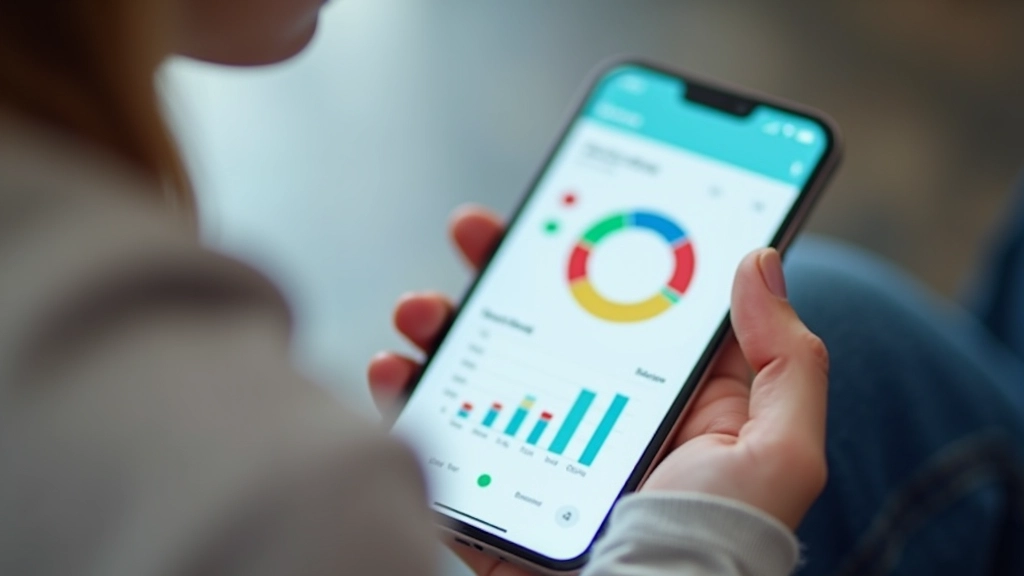
Every phone has built-in screen time tracking now. On iOS it’s called Screen Time. On Android it’s Digital Wellbeing. Both show you exactly which apps you’re using and for how long. But here’s what most people don’t realize — you have to actually look at the data.
Don’t just glance at the number. Sit down. Spend five minutes reviewing the breakdown. Which apps are taking the most time? What time of day are you most active? Are you checking your phone first thing when you wake up? Late at night before sleep? The patterns matter more than the total.

Raw screen time data tells you what you’re doing. But it doesn’t tell you how you’re feeling. That’s why you should track something else alongside the numbers — your actual experience. Keep a simple log for one week. Note the times you picked up your phone and why. Were you bored? Anxious? Avoiding something? Genuinely looking for information?
You’ll notice patterns fast. Most people discover they’re reaching for their phone when they feel uncomfortable. Not because they need something. The phone becomes a reflex response to emotions. That awareness — that connection between feelings and habit — is where real change begins.
Open Digital Wellbeing or Screen Time. Screenshot your stats. Don’t overthink it.
Which apps consume the most time? Usually it’s social media, messaging, or news.
For 3-5 days, jot down when and why you reach for your phone.
If you’re at 5-6 hours daily, that’s above average but not unusual. If you’re at 8+ hours, you’re in the top 20% of users. But here’s what matters — is it aligned with how you want to spend your time? That’s the real question. Some people use screens for work all day, then scroll for recreation. Others are more intentional. Neither is wrong, but awareness is the starting point.
The people who successfully reduce their screen time aren’t the ones who feel guilty about the numbers. They’re the ones who get curious about them. They don’t judge themselves. They just notice. And once you notice, change becomes possible.
“You can’t change what you don’t measure. Awareness is the first step toward intentional living.”

You don’t need to do anything dramatic. You don’t need to delete apps or make promises. Just check your numbers. Spend 10 minutes looking at your screen time data. Write down what you find. Notice what surprised you. That’s it. That’s where it starts.
Once you have baseline numbers, you’ll have something real to work with. You’ll know where your time actually goes. And from there, whether you want to reduce usage or just shift when you use your devices, you’ll be making decisions from information instead of guilt.
Explore our complete digital detox programs designed for Irish users who want to build healthier relationships with technology.
Explore Programs
This article is for informational purposes and educational awareness about screen time tracking. It’s not medical advice or a substitute for professional guidance. Screen time affects everyone differently depending on individual circumstances, work requirements, and personal goals. If you’re concerned about digital wellness or your relationship with technology is affecting your sleep, mood, or daily functioning, we recommend consulting with a healthcare provider or digital wellness specialist. The techniques described are suggestions to help you become more aware of your habits — not prescriptive treatments.