

Tracking Your Screen Time: Why It Matters
Most people don’t realize how many hours they’re actually on their phones. We show you how to measure it and why awareness is the first step.
Read ArticleThe science is clear — less blue light before bed means better sleep. We explain what actually happens in your brain and body when you step back.
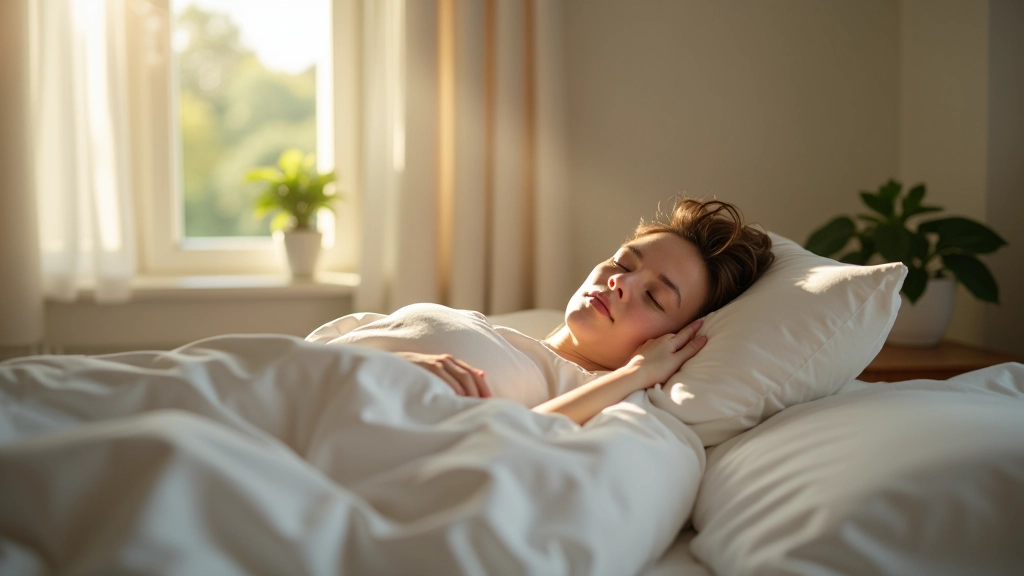
You’ve probably heard it before — put the phone down before bed. But here’s the thing: it’s not just advice from someone’s mum. There’s actual science behind why screens mess with your sleep, and understanding that science makes it way easier to actually do something about it. Most people don’t realize how much their evening scrolling is costing them in terms of sleep quality and mood the next day.
The relationship between screen time and sleep isn’t complicated once you understand the mechanism. Your brain has a clock — a real biological one — and it runs on light signals. Blue light from screens tells your brain it’s daytime, which suppresses melatonin production. That’s the hormone that makes you tired. So when you’re scrolling at 10 PM, you’re essentially telling your body it’s 2 PM. No wonder you can’t fall asleep.
Blue light has a specific wavelength — around 460 nanometers — that your eyes are extremely sensitive to. It’s the same wavelength as daylight, which makes sense evolutionarily. Your ancestors didn’t have screens, so your brain learned to interpret blue light as “the sun is up.”
When you’re exposed to blue light in the evening, your pineal gland — the part of your brain that produces melatonin — basically gets fooled. It thinks it’s still daytime, so it doesn’t release the melatonin you need to feel sleepy. Most people who struggle with sleep aren’t actually sleep-deprived by nature. They’re just suppressing their own sleep signal by staring at a bright screen right before bed.
The practical impact: Stop using screens 60-90 minutes before bed, and melatonin levels naturally rise. That’s not a suggestion — that’s how your brain works.
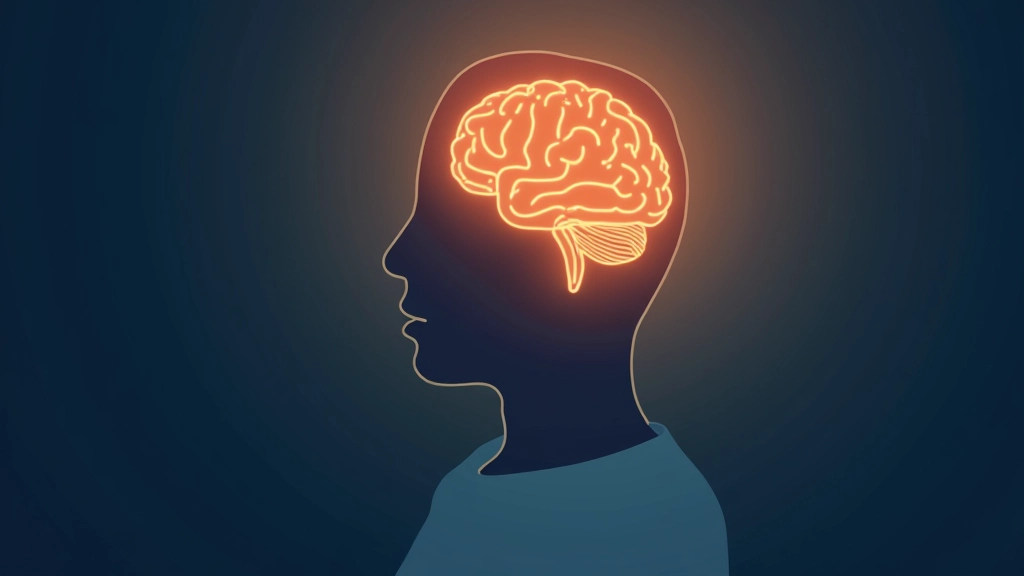
Here’s where most people get it wrong. They think “I got 8 hours, so I should feel fine.” But if those 8 hours were disrupted by blue light exposure beforehand, your sleep architecture is actually damaged. You’re spending less time in deep sleep and REM sleep — the stages where your brain repairs itself and consolidates memories.
When you reduce screen time before bed, you don’t just fall asleep faster. You actually sleep deeper. Your body goes through proper sleep cycles. REM sleep — where most dreaming happens and emotional processing occurs — gets more time. Deep sleep, where physical restoration happens, becomes longer and more restorative. People notice the difference within 3-5 days, honestly. Better energy, sharper thinking, fewer afternoon crashes.
The sleep-mood connection is direct. Poor sleep tanks serotonin and dopamine — the chemicals that regulate mood. It also increases cortisol, your stress hormone. So if you’re sleeping badly because of evening screen time, you’re waking up with higher stress levels and lower mood baseline. Plus, you’re more reactive to everything. Small frustrations feel huge. That deadline at work feels catastrophic.
When you cut screens before bed and sleep properly, the opposite happens. Serotonin rises naturally. Dopamine stabilizes. Cortisol follows a normal rhythm instead of staying elevated. Most people report noticing better mood within a week of establishing a phone-free hour before sleep.
Better sleep = higher baseline serotonin. You feel more stable, less reactive.
Cortisol drops. Your body isn’t in constant alert mode.
Proper REM sleep means better emotional processing and clearer thinking.
The trick isn’t willpower — it’s having a plan. You can’t just decide to stop using your phone. You need to replace the behavior with something else, or you’ll feel bored and reach for it anyway.
Pick 90 minutes before bed. That’s when screens go away. Not the bedroom — away. Charge your phone in another room if you can.
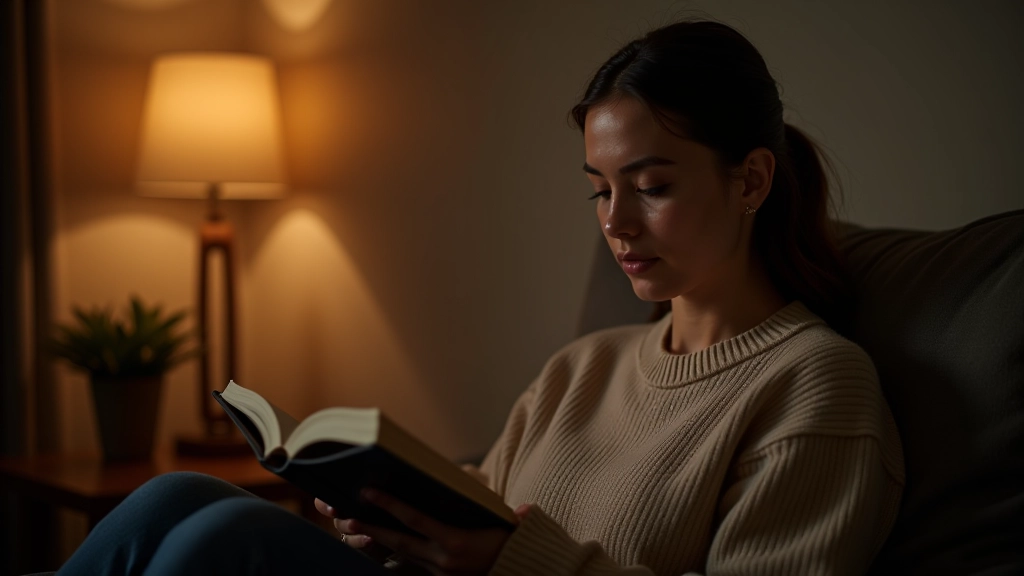
Read, sketch, listen to music, walk around, have tea. Something tactile and offline. Your brain needs stimulation — just not from a screen.
Keep a simple note. Sleep quality, energy level, mood. You’ll see the difference in 3-5 days. That evidence keeps you going.
You’re not weak for struggling to sleep. You’re not broken. Your brain’s just responding exactly as it’s designed to — blue light tells it daytime, so it stays awake. The good news? It’s completely reversible. Most people who establish a device-free hour before bed notice real changes within days. Better sleep, better mood, better thinking. It’s one of the simplest, most effective things you can do for your wellbeing, and it doesn’t cost anything.
This article is educational information about sleep science and screen time. If you’re experiencing persistent sleep disorders, insomnia, or significant mood changes, consult a healthcare provider or sleep specialist. Individual results vary based on overall health, sleep environment, and daily habits. This isn’t medical advice — it’s information to help you understand the relationship between screen exposure and sleep quality.